Source SGS Certified Motorcycle Clutch for Bikes, Scooters, and Motorcycles
Find 30 listings for SGS certified motorcycle clutch components suitable for various engine types including 100cc to 260cc models. Buyers can compare specifications, MOQs, and delivery times from verified manufacturers in China.
Key considerations
Products List


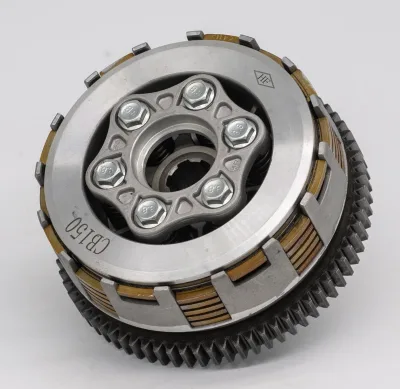
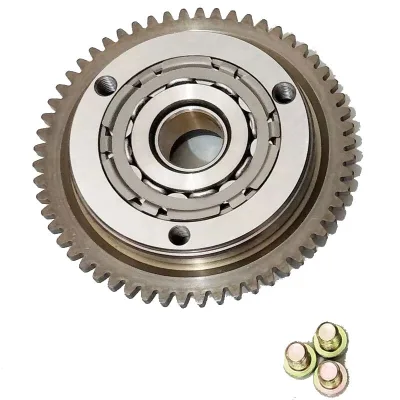
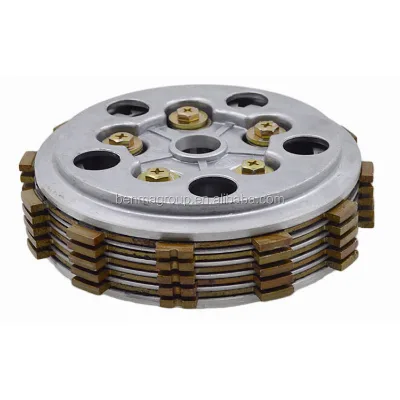
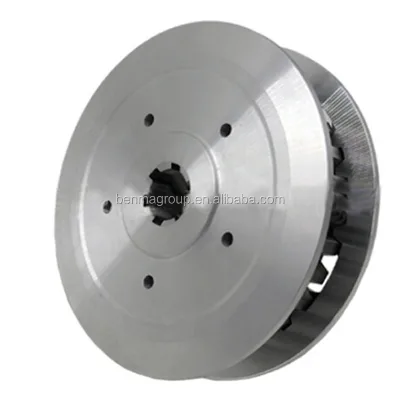
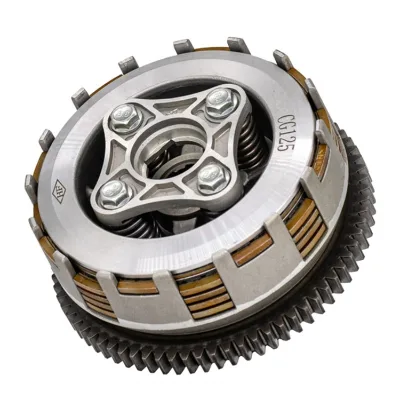
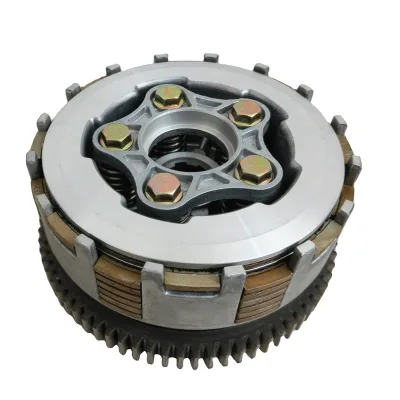


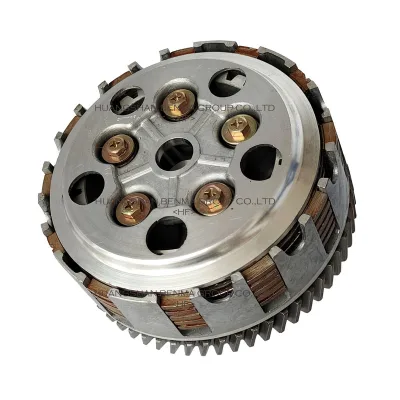
Comprehensive Sourcing Guide
Strategic Sourcing Guide for SGS Certified Motorcycle Clutch Systems
Navigating the global market for motorcycle clutch assemblies requires a disciplined approach that balances technical performance, regulatory compliance, and supply chain reliability. The core keyword "SGS certified motorcycle clutch" signals a buyer's intent to source components that have undergone third-party verification for material integrity and manufacturing consistency. While the term "SGS certified" is often used in marketing to denote rigorous testing, the procurement process must rely on verifiable documentation rather than generic claims. This guide provides a comprehensive framework for evaluating suppliers, interpreting technical specifications, and ensuring that the acquired clutch systems meet the specific operational demands of modern two-wheeled vehicles.
Technical Specifications and Component Architecture
The foundation of a reliable clutch system lies in its precise engineering and material composition. When sourcing these components, buyers must first understand the specific mechanical attributes that define performance. The supplied data indicates that motorcycle clutch systems are frequently categorized under specific transmission types, such as "Motorcycle Transmissions" or "Motorcycle Clutch" assemblies. A critical observation from available product data is the prevalence of the "Four Stroke" engine configuration in the target market. This distinction is vital because clutch designs for four-stroke engines differ significantly from two-stroke counterparts regarding heat dissipation and torque management.
Furthermore, the thermal management of these components is paramount. The observed product attributes specify an "Air-Cooled" cold style, which dictates the material selection and cooling fin design required to prevent thermal degradation during operation. The cylinder configuration is consistently noted as a "1 Cylinder" setup, which influences the clutch's load-bearing requirements and engagement smoothness. Buyers should verify that the clutch assembly is compatible with the specific engine displacement, as the data highlights models ranging from 100cc to 260cc, including specific references to CG, MIO, and Honda 250cc variants.
The material composition is another non-negotiable specification. High-quality clutch assemblies typically utilize a combination of "Material_Aluminum" and "Steel" to ensure durability and resistance to wear. The data explicitly mentions these materials in the context of ISO 9001 certifications, suggesting that the structural integrity of the clutch plates and housing relies on these specific alloys. When evaluating a potential supplier, procurement teams must request detailed material certificates that confirm the grade of aluminum and steel used, ensuring they align with the thermal and mechanical stresses expected in mass production environments.
Compliance Verification and Certification Protocols
The pursuit of "SGS certified" components necessitates a rigorous verification process to distinguish between genuine third-party validation and marketing assertions. While the provided context lists "ISO9001" and "ISO9001:2008" as certifications associated with the product origin, it is crucial to understand that ISO 9001 is a quality management system standard, not a product-specific test result. A supplier may hold an ISO 9001 certification for their factory processes, but this does not automatically guarantee that every individual clutch unit has passed an SGS material test.
Buyers must explicitly request the specific SGS test reports that correspond to the product model in question. The data mentions "Certification_ISO9001: Material_Aluminum, Steel," which implies that the certification covers the raw materials. However, for a complete compliance picture, the buyer should verify if the SGS report covers the final assembly's performance, including friction coefficients, tensile strength, and thermal endurance. The context also notes a "Quality Control: 100% Tested Before Shipping" attribute, which is a strong indicator of internal process rigor. Nevertheless, internal testing should be supplemented by external, independent verification to satisfy international procurement standards.
When reviewing documentation, buyers should look for specific test parameters rather than generic "pass" statements. The verification process should include checking the scope of the certification to ensure it covers the specific product line, such as the "CG260" or "Bajaj 100" models mentioned in the data. Additionally, the "Standard" field in the data often reads "as your request" or "260cc," indicating a high degree of customization. This flexibility requires careful documentation to ensure that the customized specifications still meet the necessary safety and performance benchmarks defined by the SGS or equivalent testing body.
Cost Drivers and Economic Factors in Procurement
Understanding the cost structure of motorcycle clutch assemblies is essential for budgeting and negotiating effective terms. The observed price range in the market spans from $1.16 to $15.00 USD, a significant variance that reflects differences in material quality, manufacturing complexity, and brand positioning. Several factors drive these costs. First, the material composition, specifically the use of high-grade aluminum and steel, directly impacts the unit price. Second, the level of customization, such as OEM services and specific model adaptations (e.g., CG200 vs. BWS125), adds to the engineering and tooling expenses.
The Minimum Order Quantity (MOQ) is another critical economic factor. The data reveals a wide range of MOQs, from 50 pieces to 500 pieces, with a high-confidence observation of 300 pieces for certain models. Suppliers with lower MOQs, such as the 50-piece threshold, may charge a premium per unit to cover setup costs, while larger orders often benefit from economies of scale. Buyers must balance their inventory needs against the per-unit cost to optimize cash flow. Additionally, the payment terms, typically structured as "30% Deposits, 70% Balance Before Shipment," influence the financial risk and working capital requirements for the buyer.
Lead times also play a role in the total cost of ownership. The data indicates a standard delivery time of 30 days, though some suppliers offer a faster turnaround of 7 days based on detailed order specifics. Expedited shipping or shorter lead times often incur additional logistics costs. Furthermore, the packaging details, ranging from "Boxes and Cartons" to "Kraft Paper Carton, Colour Inner Box," affect the final landed cost, as more robust packaging is required for international shipping to prevent damage. Buyers should factor in these logistical variables when calculating the total cost per unit, ensuring that the lowest sticker price does not result in higher overall expenses due to delays or damage.
Typical Applications and Model Compatibility
The versatility of motorcycle clutch systems allows them to be applied across a wide spectrum of vehicle types, from commuter bikes to performance models. The data highlights specific model compatibilities, including the "CG" series, "MIO," "Yuzuan125," "BWS125," "Bajaj CT100," and "Honda Cg260." These models represent a diverse range of engine displacements, from 100cc to 260cc, each with unique torque and speed characteristics. A clutch designed for a 100cc commuter bike like the Bajaj CT100 will have different friction characteristics and load ratings compared to a 260cc performance unit.
When sourcing, buyers must ensure that the clutch assembly matches the specific engine standard. The data notes standards such as "100cc," "125cc," "150cc," and "200cc," which serve as critical compatibility markers. Mismatching a clutch to an engine can lead to premature wear, slippage, or catastrophic failure. The "Customization: Available" attribute suggests that suppliers can adapt clutches to non-standard applications, but this requires precise communication of the engine's specifications. Buyers should maintain a clear matrix of their required models and cross-reference them with the supplier's catalog to avoid compatibility errors.
The application also extends to the type of transmission. The data identifies the product type as "Motorcycle Transmissions" and "Motorcycle Clutch," indicating that these components are integral to the powertrain. In mass production environments, where "Production: Mass Production" is the norm, consistency across thousands of units is essential. The "High Quality Performance" and "a Class" quality ratings suggest that these components are intended for vehicles that require reliable daily operation. Whether for a light scooter or a heavy-duty motorcycle, the clutch must seamlessly integrate with the engine's power delivery to ensure smooth acceleration and efficient gear shifting.
Supplier Evaluation and Quality Assurance Framework
Selecting the right supplier is as critical as the technical specifications of the product itself. The data indicates that the origin of these products is primarily "China," with specific mentions of "Chongqing, China" as a manufacturing hub. This region is known for its robust motorcycle component industry, but it also necessitates thorough due diligence. Buyers should evaluate suppliers based on their adherence to quality control protocols, specifically the "100% Tested Before Shipping" claim. This internal QC measure is a strong indicator of a supplier's commitment to reducing defect rates, but it should be verified through on-site audits or third-party inspections.
The "OEM: Custom Service" attribute highlights the importance of a supplier's flexibility and technical capability. A capable supplier should be able to accommodate custom requests, such as specific packaging ("Lpi Package" or "Paper Box Carton") and non-standard dimensions. However, customization should not come at the expense of quality. Buyers should assess the supplier's ability to maintain consistency across custom orders by reviewing their production capacity and history of handling similar requests. The "MOQ" requirements also serve as a filter; suppliers with flexible MOQs may be more suitable for smaller buyers, while those with higher MOQs might offer better pricing for large-scale procurement.
Quality assurance should also encompass the supplier's certification status. While the data lists "ISO9001" and "ISO9001:2008," buyers must verify the validity and scope of these certifications. A valid ISO 9001 certification indicates a structured approach to quality management, but it does not replace the need for product-specific testing. Buyers should request evidence of the supplier's internal testing procedures and their response to non-conformance issues. Additionally, the "Delivery Time" variability, ranging from 7 to 30 days, suggests that communication and order management capabilities are key differentiators. A supplier that can reliably meet delivery deadlines while maintaining quality is essential for maintaining supply chain continuity.
Long-Term Procurement and Supply Chain Resilience
Sourcing motorcycle clutch systems is not merely a transactional activity but a strategic decision that impacts long-term operational efficiency. The "Mass Production" nature of these components implies a need for a stable and scalable supply chain. Buyers should consider the supplier's ability to ramp up production in response to market demand fluctuations. The "Customization: Available" feature offers a competitive advantage, allowing buyers to differentiate their products through tailored solutions, but it also introduces complexity in managing inventory and quality standards.
Long-term considerations also include the durability and lifecycle of the clutch assemblies. The "High Quality Performance" and "a Class" quality ratings suggest that these components are designed for longevity, but real-world performance depends on the consistency of manufacturing. Buyers should establish a feedback loop with their suppliers to monitor field performance and address any recurring issues promptly. The "30% Deposits, 70% Balance Before Shipment" payment structure requires a strong trust relationship, as it places significant financial responsibility on the buyer before the goods are delivered.
Finally, the evolving landscape of environmental and safety standards necessitates a proactive approach to compliance. While the current data focuses on ISO 9001, future regulations may require additional certifications or material restrictions. Buyers should maintain a forward-looking strategy that includes regular reviews of supplier capabilities and market trends. By building a resilient supply chain based on verified quality, clear communication, and strategic partnerships, buyers can ensure a steady flow of high-performance motorcycle clutch systems that meet the demands of a competitive global market.
FAQs
What certifications do the motorcycle clutches hold?
The clutches hold ISO9001 and ISO9001:2008 certifications for quality management systems. These certifications verify the factory processes and material standards for aluminum and steel components used in the assembly.
How long is the delivery time for orders?
Standard delivery time is 30 days from order confirmation. Some suppliers can offer a faster turnaround of 7 days depending on the detailed order specifics and production capacity.
What is the minimum order quantity for these parts?
The minimum order quantity ranges from 50 pieces to 500 pieces depending on the specific model. A common high-confidence MOQ observed for many models is 300 pieces.
Can these clutches be customized for specific models?
Yes, customization is available for various motorcycle models and specifications. Suppliers offer OEM services to adapt parts for models like CG260, Bajaj 100, and others with specific standards.
Where are these motorcycle clutch parts manufactured?
These parts are manufactured in China, with specific origins noted in Chongqing. The production is classified as mass production to meet global demand for motorcycle transmission components.
What payment terms are required for purchase?
The standard payment term requires a 30% deposit with the remaining 70% balance due before shipment. This structure applies to most orders for motorcycle clutch assemblies and parts.
How are the products tested before shipping?
Every unit undergoes 100% testing before shipping to ensure quality control. This internal testing verifies the performance of the four-stroke, air-cooled clutch assemblies against specified standards.